










Furnace Not Turning On? Start With These Checks
- Eddie Diocson

- 4 days ago
- 6 min read
A cold Fullerton evening is the wrong time to discover your furnace not turning on. Before assuming the system has failed, take a few safe, practical steps. Some heating problems come down to a thermostat setting, a tripped breaker, or a clogged filter. Others require prompt professional repair - especially when gas, electrical components, or repeated shutdowns are involved.
The goal is not to take apart your furnace. It is to rule out the simple issues, recognize warning signs, and get dependable help before a small problem becomes a no-heat emergency.
Start With the Thermostat
A thermostat setting is one of the most common reasons a furnace appears not to work. Set the thermostat to Heat, then raise the temperature at least 3 to 5 degrees above the current room temperature. Give the system several minutes to respond. Many furnaces have a built-in delay before the blower starts.
Check that the fan setting is on Auto, not On. With the fan set to On, you may feel unheated air moving through the vents even when the burners are not running. That can make it seem as if the furnace is failing when the issue is simply the fan setting.
If the screen is blank or dim, replace the batteries if your thermostat uses them. For smart thermostats, confirm it has power and is connected properly. A thermostat that loses power, has a loose wire, or is programmed incorrectly can stop the heating cycle before it begins.
Check Power Before Calling for Furnace Repair
Even gas furnaces need electricity for the thermostat, ignition system, control board, and blower motor. Look for the furnace service switch, usually mounted on or near the unit. It can look much like a standard light switch and may have been turned off accidentally during storage, cleaning, or other work nearby.
Next, check your home’s electrical panel for a tripped breaker. If the furnace breaker is off, reset it once by moving it fully off and then back on. If it trips again, do not keep resetting it. Repeated breaker trips can point to a wiring problem, a failing motor, or another electrical issue that needs a trained HVAC technician.
If your furnace is in a garage, attic, closet, or utility area, make sure the access panel is fully secured. Most modern systems have a safety switch that prevents operation when a panel is loose or removed.
A Dirty Filter Can Stop Heating Airflow
Your furnace needs steady airflow to operate safely. A severely clogged air filter restricts that airflow, causes overheating, and may trigger a safety limit switch that shuts the burners down. The system might start, run briefly, and then stop, or it may refuse to complete a heating cycle.
Turn off the system before checking the filter. If it is gray, packed with dust, or visibly bowed inward, replace it with the correct size and type. Make sure the arrow on the new filter points toward the furnace or air handler.
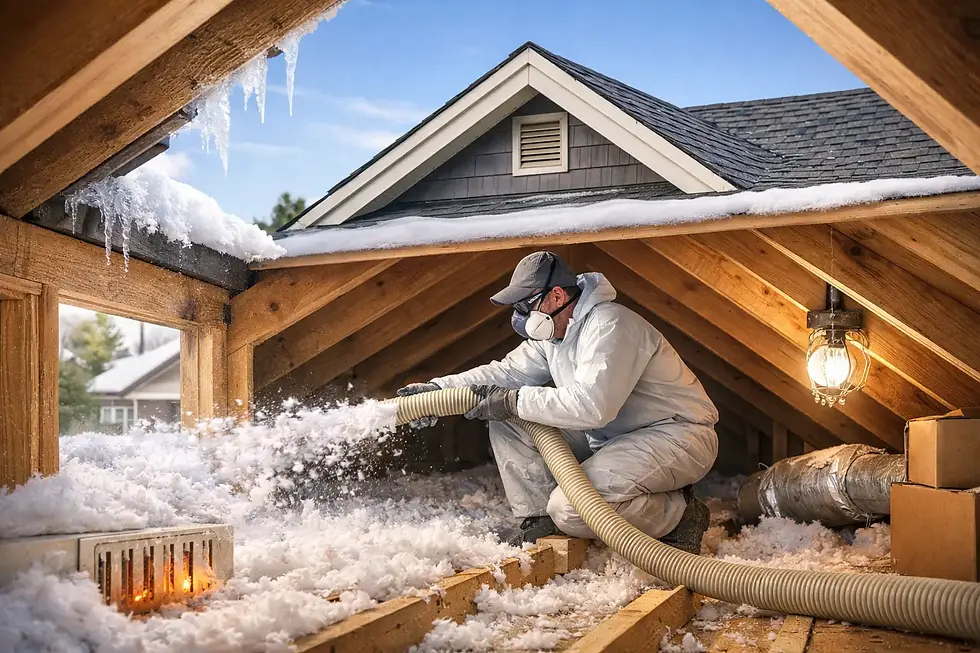
A clean filter is one of the simplest ways to protect both comfort and equipment life. In homes with pets, remodeling dust, allergies, or frequent HVAC use, filters may need attention more often than the label suggests. If your home struggles with dust or uneven airflow, the issue may extend beyond the filter to ducts, insulation, or the air distribution system.
If Your Furnace Is Not Turning On, Check the Fuel Supply Safely
For a gas furnace, confirm that other gas appliances are working normally. If your gas stove or water heater is also not operating, the problem could involve the gas supply rather than the furnace itself.
You can also look at the gas shutoff valve near the furnace. In most installations, the handle should be parallel with the gas pipe when open. Do not force the valve, disconnect any lines, or try to relight internal burners yourself.
If you smell gas, hear hissing near a gas line, or suspect a leak, leave the home immediately. Do not operate switches, use phones inside the house, light a flame, or attempt troubleshooting. Once you are safely away, contact your gas utility or emergency services, then arrange for qualified heating service as appropriate. A gas odor is never a wait-and-see situation.
Notice What the Furnace Does When It Tries to Start
The behavior of the system gives useful clues. If you hear the furnace click but nothing happens, the issue could involve the igniter, flame sensor, control board, or gas valve. If the blower runs but the air stays cool, the burners may not be lighting. If the furnace starts and stops after a few seconds, it may be shutting down for safety.
Some furnaces display a blinking diagnostic light behind a small viewing window. You can write down the color and blink pattern for the technician, but avoid removing panels or reaching inside the unit. Diagnostic codes differ by manufacturer, and the code is only a starting point - not always a final diagnosis.
Unusual noises also matter. Banging, grinding, squealing, or repeated clicking can signal a mechanical or ignition problem. A loud boom when the burners finally ignite should be inspected soon. Delayed ignition can place extra stress on the equipment and should not be ignored.
When a Reset Is Reasonable - and When It Is Not
After checking the thermostat, power, filter, and access panels, you can turn the furnace off at the thermostat for a few minutes and restart it. This may clear a minor control interruption. One restart attempt is reasonable.
Do not repeatedly reset a furnace that will not stay on. A system that keeps locking out is responding to a condition meant to protect your home and equipment. Continuing to cycle power can make diagnosis harder and may allow an underlying issue to worsen.
The same applies to a pilot light on older equipment. If the manufacturer’s instructions clearly explain how to relight it and there is no gas odor, follow those instructions exactly. If the pilot will not stay lit, call for service instead of attempting repeated relights.
Call for Heating Repair Right Away When You See These Signs
Some furnace problems should move quickly from homeowner checks to professional service. Schedule heating repair promptly if the breaker trips more than once, the furnace blows cold air continuously, the system short-cycles, or you see water around the unit. Water can come from a condensate drain issue on a high-efficiency furnace and can lead to shutdowns or property damage.
Call immediately if you smell burning electrical components, smell gas, see soot, or your carbon monoxide detector sounds. Get everyone to fresh air first when there is a possible carbon monoxide concern. Carbon monoxide has no color or odor, which is why working detectors near sleeping areas and on each level of the home are essential.
A technician can test the ignition sequence, safety switches, gas pressure, electrical connections, venting, blower performance, and heat exchanger condition. That level of diagnosis protects your household far better than replacing parts based on a guess.
Repair or Replacement: What Makes Sense?
A furnace repair is often the right choice when the system has been maintained, the issue is isolated, and the equipment is not near the end of its expected service life. A worn igniter, faulty capacitor, clogged condensate drain, or dirty flame sensor can often be repaired without replacing the entire system.
Replacement may make more sense when repairs are frequent, the furnace is aging, efficiency is poor, or a major component has failed. The right answer depends on the condition of the entire home comfort system, not just one part. Ductwork, airflow, insulation, and thermostat controls can all affect how well a new or existing furnace performs.
Champion Aire Heating and Air Conditioning helps homeowners make that decision with clear recommendations, first-class service, and options that fit both immediate comfort needs and long-term household plans.
Keep a No-Heat Problem From Returning
Regular maintenance gives a technician the opportunity to catch worn parts, airflow restrictions, venting concerns, and safety issues before they leave your home without heat. Changing filters on schedule, keeping supply vents open, and avoiding storage around the furnace also support reliable operation.
If your furnace is not turning on after these basic checks, do not spend the night guessing at the cause. A qualified heating professional can restore safe heat and help you decide what will give your household the most peace of mind when the temperature drops again.


Comments