










Heat Pump vs Furnace: Which Is Right for You?

A chilly Fullerton morning can make a weak heating system impossible to ignore. When it is time to replace aging equipment, the heat pump vs furnace decision is not just about staying warm. It affects your monthly utility costs, summer cooling, indoor comfort, and the kind of maintenance your home will need for years to come.
For many Southern California homeowners, a heat pump is an excellent all-in-one option. For others, especially households with an existing gas setup or specific comfort priorities, a furnace still makes good sense. The right answer depends on your home, energy costs, ductwork, and long-term plans.
Heat Pump vs Furnace: The Main Difference
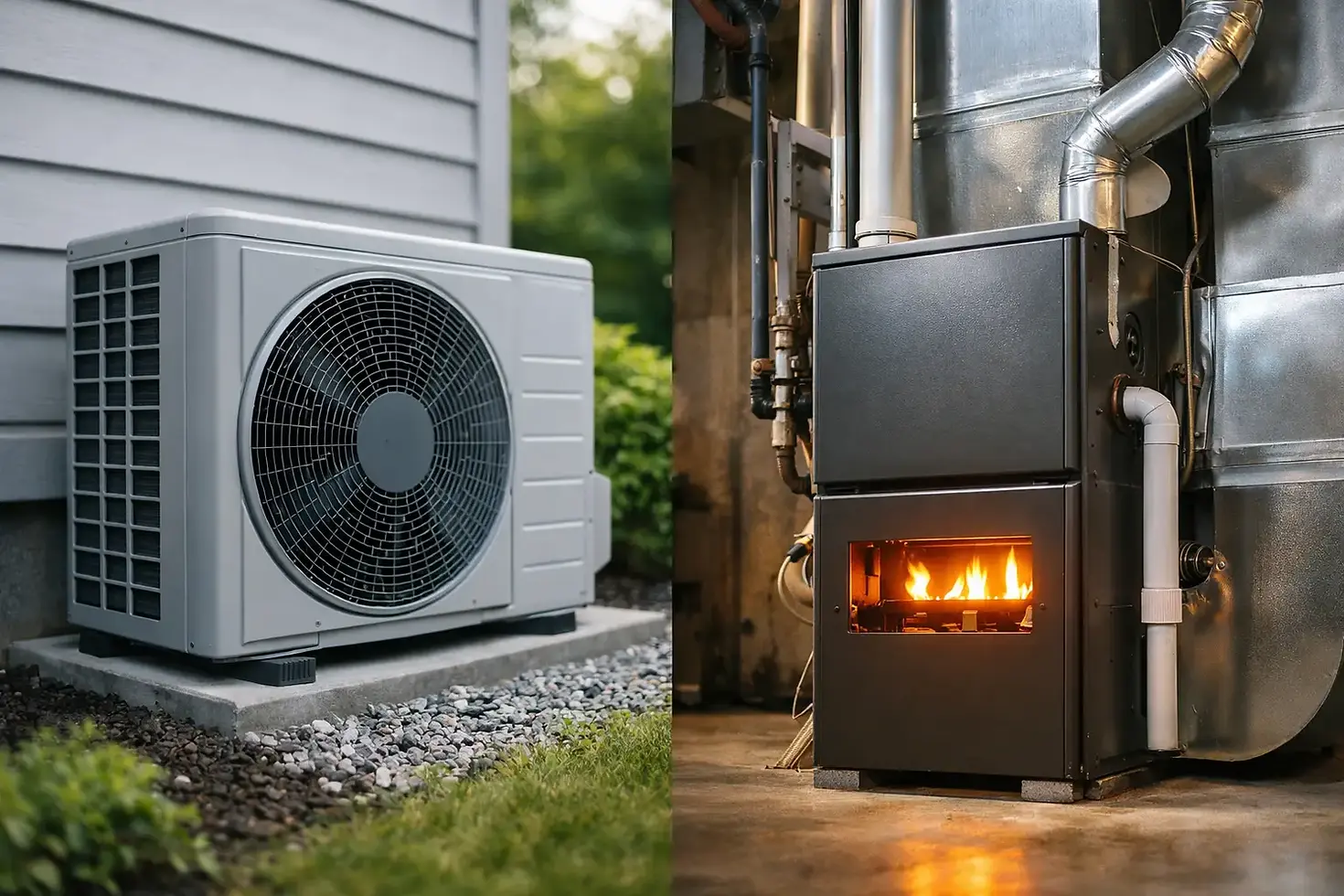
A furnace creates heat. Most homes with furnaces use natural gas, although electric furnace options also exist. When your thermostat calls for heat, the furnace burns fuel or uses electric resistance to warm air, then sends that air through your ductwork.
A heat pump moves heat rather than creating it through combustion. In heating mode, it draws available heat from outdoor air and transfers it indoors. In cooling mode, it reverses the process, working much like a central air conditioner by moving indoor heat outside.
That difference matters in Orange County. Our winter temperatures are generally mild, so an air-source heat pump can operate efficiently through much of the heating season. It also gives you heating and air conditioning in one system.
When a Heat Pump Makes Sense
A heat pump is often a strong choice for homeowners replacing both a furnace and air conditioner. Rather than installing and maintaining two separate pieces of major equipment, you can install one system that provides year-round comfort.
The biggest advantage is efficiency. Because a heat pump transfers heat instead of producing it by burning gas, it can deliver more heating energy than the electricity it consumes under favorable conditions. In a mild Southern California climate, that can translate into lower operating costs, particularly for homes with high-efficiency equipment and good insulation.
Heat pumps also support an all-electric home. If you are considering solar power, electrical upgrades, or a gradual move away from gas appliances, a heat pump may fit your plans well. Available rebates, tax incentives, and financing options can also change the upfront cost calculation, so it is worth reviewing current programs before making a final decision.
Comfort is another benefit. Many modern variable-speed heat pumps run at lower speeds for longer periods instead of frequently turning on and off at full power. That can mean steadier temperatures, quieter operation, and improved humidity control during air conditioning season.
Still, a heat pump is only as effective as the home around it. Leaky ducts, insufficient attic insulation, poor airflow, and an improperly sized system can reduce comfort and efficiency. A proper installation should look beyond the equipment label and consider your home as a complete comfort system.
When a Furnace Is the Better Choice
A high-efficiency gas furnace remains a practical option for many local homes. If your home already has a dependable central air conditioner and you only need to replace the heating side, installing a furnace may be the most straightforward path.
Furnaces provide powerful, fast heat. Homeowners who prefer a strong burst of warm air on the coldest mornings may like the familiar performance of a gas furnace. They can also be a sensible choice where natural gas rates are favorable compared with local electricity prices.
A furnace may have a lower upfront replacement cost than a full heat pump conversion in some situations, especially if electrical panel upgrades, new wiring, or other modifications are needed. That does not automatically make it the lower-cost choice over its full lifespan, but it can matter when immediate budget is the deciding factor.
Keep in mind that a furnace does not provide cooling. Unless you pair it with a central AC system, you will still need separate equipment for summer comfort. In a climate where air conditioning is a major household priority, that is an important part of the overall cost and maintenance picture.
Comparing Costs Beyond the Installation Quote
The lowest installation estimate is not always the best value. Heating equipment should be evaluated over the years you expect to own it, not just on replacement day.
A heat pump may cost more initially, particularly if it replaces both heating and cooling equipment or requires electrical work. However, it can reduce the need for separate furnace and air conditioner replacements later. Its energy savings can be meaningful in mild weather, but actual results depend on utility rates, thermostat habits, system efficiency, and how well your home holds conditioned air.
A furnace can be less expensive to install when the existing AC system is in good shape and the gas connection is already in place. But you should account for fuel costs, the age of your air conditioner, and whether both systems may need replacement within a few years.
Before choosing either option, ask for a complete estimate that includes equipment efficiency, labor, permits, ductwork needs, thermostat compatibility, electrical or gas modifications, and available rebates. A clear estimate helps you avoid surprises after work begins.
Maintenance and Expected Service Life
Both systems need regular professional maintenance. A furnace should be inspected for safe combustion, heat exchanger condition, burners, airflow, and carbon monoxide concerns. A heat pump needs seasonal checks of refrigerant operation, electrical components, coils, drainage, and heating and cooling performance.
Because a heat pump runs year-round, it can accumulate operating hours faster than a furnace that only runs in winter. That does not mean it is a poor investment. It means routine maintenance matters. Changing filters on schedule, keeping outdoor equipment clear, and addressing unusual noises or uneven temperatures early can help protect either system.
If your furnace or heat pump is more than 12 to 15 years old, needs frequent repairs, or cannot keep rooms comfortable, it may be time to compare replacement options rather than continue paying for short-term fixes.
Your Ductwork Can Change the Answer
Homeowners sometimes focus entirely on the new equipment, but ductwork has a major role in comfort. Leaking, undersized, dirty, or poorly designed ducts can cause hot and cold rooms, weak airflow, higher utility bills, and extra strain on the system.
This is especially relevant when replacing a furnace with a heat pump. Heat pumps often work best with carefully managed airflow and properly sized ducts. An experienced home comfort assessment can identify whether duct sealing, repairs, insulation, filtration upgrades, or air distribution improvements should be included with the installation.
A whole-home approach can prevent the frustrating outcome of buying efficient equipment but still feeling uncomfortable in certain rooms.
What About a Dual-Fuel System?
A dual-fuel system combines a heat pump with a gas furnace. The heat pump handles heating during mild conditions, while the furnace takes over when outdoor temperatures drop or when fast, high-output heat is needed.
For some homeowners, dual fuel offers the best balance of efficiency and familiar furnace performance. It can be particularly appealing if you want to replace an aging air conditioner while keeping access to gas heat. The trade-off is a more complex system and potentially higher upfront cost, so it is best evaluated based on your household's actual needs rather than as a default upgrade.
How to Choose With Confidence
Start with the condition of your current equipment. If both your air conditioner and furnace are aging, a heat pump deserves serious consideration because it replaces both functions. If your AC is relatively new and your furnace is the only problem, a furnace replacement may be the more practical option.
Then consider your utility costs, electrical capacity, gas availability, future renovation plans, and comfort preferences. Do you want one system for heating and cooling? Are you planning to add solar? Do certain rooms already have airflow problems? These details matter more than a one-size-fits-all recommendation.
Champion Aire Heating and Air Conditioning can assess your equipment, ductwork, and home comfort needs to help you make a clear, informed choice. Whether you need urgent heating repair or are planning a full system replacement, the goal is the same: dependable comfort without guesswork. Schedule an estimate before the next cold morning turns a small concern into a no-heat emergency.


Comments