










How to Fix My Air Conditioning Fast
- Eddie Diocson

- Jul 7
- 6 min read
When your house starts heating up in the middle of a Fullerton afternoon, the question gets very real, very quickly - how to fix my air conditioning without wasting time, money, or making the problem worse. Some AC issues have simple homeowner fixes. Others need a trained technician right away. Knowing the difference can save you from a longer breakdown and a bigger repair bill.
This guide is built for homeowners who want a straight answer. If your system is blowing warm air, barely moving air, turning on and off too often, or not running at all, start with the basics before assuming the worst.
How to Fix My Air Conditioning: Start With the Obvious
It sounds simple, but many no-cool calls come down to a setting, a switch, or a clogged filter. Start at the thermostat. Make sure it is set to cool, not fan or heat, and lower the temperature a few degrees below the current room temperature. If the screen is blank, replace the batteries if your model uses them.
Next, check your air filter. A dirty filter can choke airflow, strain the system, and cause uneven cooling or even frozen coils. If the filter looks gray, dusty, or packed with debris, replace it. In many homes, this alone improves performance more than people expect.
Then look at the circuit breaker. If the AC has lost power, the breaker may have tripped. Reset it once. If it trips again, stop there. Repeated breaker trips usually point to an electrical or mechanical issue that needs professional service.
Also check the indoor and outdoor shut-off switches. Homeowners sometimes bump a switch near the furnace or air handler without realizing it. Outside, make sure the condenser unit has power and is not surrounded by leaves, weeds, or debris.
Why Your AC Might Be Running but Not Cooling
An AC that runs without cooling is one of the most frustrating problems because it sounds like it is working. In reality, several different issues can cause this.
Low airflow is one common reason. A clogged filter, blocked return vent, closed supply registers, or dirty evaporator coil can all keep cool air from moving through the house. Start by opening registers, clearing vents, and replacing the filter. If airflow still feels weak, the issue may be deeper in the ductwork or equipment.
A dirty outdoor condenser can also hurt cooling. If the fins are coated with dirt and debris, the system cannot release heat properly. You can gently rinse the outdoor coil with a garden hose after shutting off power to the unit. Do not use high pressure, and do not bend the fins. If the coil is greasy, impacted, or hard to access, it is better to schedule service.
Refrigerant problems are another possibility. If the system is low on refrigerant, you may notice warm air, ice on the refrigerant lines, or longer run times. This is not a DIY fix. Refrigerant does not just get used up. If levels are low, there is usually a leak, and that requires proper testing and repair.
When Your Air Conditioning Freezes Up
If you see ice on the indoor coil, refrigerant line, or outdoor unit, turn the system off and switch the fan to on. That helps thaw the ice and may prevent more damage.
Frozen AC systems usually happen because of restricted airflow or refrigerant issues. A filthy filter is the easy fix. A blocked coil, blower problem, collapsed duct, or low refrigerant charge is more serious. Running a frozen system can damage the compressor, and that is one repair no homeowner wants.
Once the ice has melted, replace the filter and try the system again. If it freezes a second time, call for repair. At that point, it is no longer a quick homeowner fix.
If the AC Will Not Turn On at All
When the system does nothing, start with power and thermostat checks. Confirm the thermostat is calling for cooling. Replace the batteries if needed. Check the breaker panel and the disconnect box near the outdoor unit.
Then listen carefully. If the indoor unit starts but the outdoor unit does not, the issue could involve the capacitor, contactor, wiring, or condenser motor. If neither unit starts, it may be a thermostat issue, safety switch problem, transformer failure, or electrical fault.
You may also have a clogged condensate drain line. Many newer systems shut down automatically when the drain backs up, which helps prevent water damage. If you see standing water near the indoor unit or a full drain pan, that is a strong clue. Some homeowners can clear a drain line with a wet/dry vacuum, but if the backup keeps returning, the system needs a closer inspection.
How to Fix My Air Conditioning Without Creating a Bigger Repair
The safest rule is this: basic maintenance is fair game, but electrical parts, refrigerant components, and motor issues are not. Replacing a filter, resetting a breaker once, clearing debris around the condenser, and checking thermostat settings are reasonable first steps.
What you should not do is open sealed components, add refrigerant from a store-bought kit, force a stuck part, or keep restarting a system that is tripping breakers, making burning smells, or grinding loudly. Those are signs the problem could escalate fast.
There is also a cost trade-off. Homeowners sometimes delay service because they hope the AC will recover on its own. In mild cases, maybe. But if the system is short cycling, overheating, icing up, or losing airflow, continued operation often increases wear. A smaller repair can turn into a compressor, blower, or electrical replacement if the warning signs are ignored.
Signs It Is Time to Call for Professional AC Repair
Some issues are clear service calls from the start. Warm air with normal airflow often points to refrigerant or compressor trouble. Loud buzzing can mean electrical failure. Banging or rattling may mean loose or broken internal parts. Burning odors are never something to wait on.
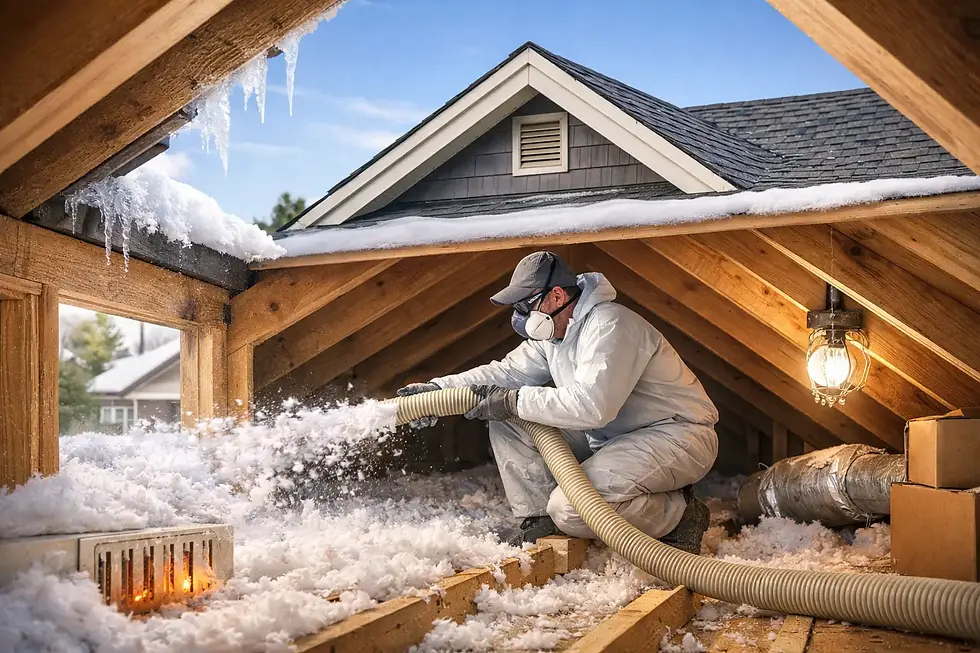
You should also call if your home cools unevenly, humidity stays high, or your AC runs all day without reaching the thermostat setting. In Southern California, those symptoms may reflect more than a failing air conditioner. Duct leakage, attic heat gain, insulation gaps, and poor air distribution can all make an AC appear weaker than it is.
That is where working with a full-service home comfort company matters. Sometimes the fix is the AC itself. Other times, the real issue is airflow, filtration, insulation, or duct performance. A proper diagnosis keeps you from paying for the wrong solution.
Repair or Replace? It Depends on Age and Cost
Not every struggling system should be repaired again. If your AC is newer and the issue is isolated, repair usually makes sense. If the system is older, needs frequent service, or uses outdated refrigerant, replacement may be the smarter long-term move.
A good rule of thumb is to weigh repair cost against overall condition. If the equipment is nearing the end of its service life and efficiency has dropped, putting more money into it may only delay the inevitable. On the other hand, replacing a system too early is not always the best financial move either. The right answer depends on age, energy use, repair history, and your comfort goals.
For many homeowners, peace of mind matters just as much as raw cost. If you are constantly adjusting vents, worrying about breakdowns, and seeing utility bills climb, replacement can solve more than one problem at once.
Prevent the Next Breakdown Before Summer Peaks
The best way to avoid asking how to fix my air conditioning during a heat wave is regular maintenance before the hottest part of the year. Seasonal tune-ups help catch weak capacitors, dirty coils, drainage issues, airflow restrictions, and worn components before they shut the system down.
Homeowners can also help by changing filters on schedule, keeping vents open, maintaining clear space around the condenser, and paying attention to small changes in sound or performance. AC systems usually give warning signs before a full breakdown. The trick is acting on them early.
If your home still feels stuffy after an AC repair, look beyond the unit itself. Indoor air quality, duct cleanliness, insulation, and whole-house airflow all affect comfort. The best result is not just cold air. It is a house that cools evenly, runs efficiently, and feels better room to room.
When your AC stops doing its job, quick action matters. Start with the simple checks, stop before a DIY fix turns risky, and get expert help when the signs point to more than a basic reset. That is how you protect your system, your budget, and your comfort when you need it most.


Comments