










Is No Air Conditioning a Maintenance Emergency?
- Eddie Diocson

- Jul 4
- 6 min read
You notice it fast in Southern California. The house gets sticky by late afternoon, bedrooms hold heat after sunset, and everyone starts asking the same question: is no air conditioning a maintenance emergency? The short answer is that it can be, but not every no-cooling call is treated the same. It depends on the outdoor temperature, who lives in the home, how long the system has been down, and whether the issue creates a health or safety risk.
For homeowners, the real concern is usually not legal wording. It is whether you need to call for service right away, whether the problem can wait until morning, and what to do before the house gets more uncomfortable. For landlords and tenants, there can also be habitability and repair-timeline questions. Either way, when your AC stops working during a Fullerton heat spell, waiting too long can turn a manageable repair into a much bigger problem.
When is no air conditioning a maintenance emergency?
No air conditioning is most likely to be considered a maintenance emergency when indoor heat becomes dangerous or when vulnerable people are in the home. That includes infants, older adults, people with medical conditions, and anyone sensitive to heat. If the home is reaching unsafe temperatures, emergency service makes sense even if the equipment issue itself is relatively straightforward.
A total AC failure is also more urgent when outdoor temperatures are very high, especially during a heat wave. In mild weather, a few hours without cooling may be inconvenient. In extreme heat, it can quickly become a health issue. Southern California homeowners know that inland temperatures can climb fast, and upper-floor rooms or homes with poor insulation often heat up even faster than expected.
There is also a difference between discomfort and danger. If your system is cooling weakly but still running, that may be urgent but not necessarily an emergency. If it has completely shut down, is blowing hot air, tripping breakers, or creating signs of electrical trouble, the situation moves higher on the priority list.
What makes an AC problem urgent instead of routine?
Some problems can safely wait for a standard repair appointment. Others should be looked at as soon as possible. The line usually comes down to risk, not just inconvenience.
If your AC is not working and you also notice burning smells, buzzing, sparking, water leaking near electrical components, or ice building up across the system, it is time to stop guessing. Turn the system off and request professional service. The same goes for a unit that repeatedly trips the breaker. That points to a deeper issue, and forcing the system to keep running can cause more damage.
Urgency also goes up when the problem affects the whole house instead of one comfort zone. If one room is warm, airflow balance may be the issue. If the entire home has lost cooling in the middle of summer, that is a much more immediate comfort failure.
Signs you should call for service right away
A few symptoms deserve faster attention than others. A complete system failure is the obvious one, but not the only one. Weak airflow with rising indoor temperatures, unusual noises from the outdoor unit, warm air from the vents, or a thermostat that appears unresponsive all point to a system that may be close to stopping altogether.
If anyone in the home is already feeling the effects of heat, do not wait for the problem to worsen. Headaches, dizziness, and difficulty sleeping can escalate quickly in a hot house. First class service means treating comfort as part of household safety, not just convenience.
If you own the home, what should you do first?
Before calling for emergency repair, there are a few simple things worth checking. Make sure the thermostat is set to cool and that the temperature setting is below the current indoor temperature. Check the air filter. A severely clogged filter can restrict airflow enough to create serious cooling problems. Look at the breaker panel in case the AC circuit has tripped.
You should also inspect the outdoor unit from a safe distance. If it is buried in debris, blocked by overgrowth, or not running at all while the indoor fan is on, that information helps narrow the issue. If you see ice on the refrigerant line or indoor coil, turn the system off. Running a frozen system usually does not solve the problem and can make the repair more complicated.
That said, there is a limit to DIY troubleshooting. Homeowners should not open electrical panels, handle refrigerant components, or keep resetting breakers to force operation. If basic checks do not restore cooling, it is time to bring in a licensed HVAC professional.
If you rent, is no air conditioning a maintenance emergency?
For renters, the answer depends on your lease terms, local standards, and the severity of the situation. In some areas, air conditioning is considered an essential service when it is provided as part of the rental. In others, the legal standard focuses more heavily on heating, water, and electricity. But even where AC is not always defined as an automatic emergency, landlords still need to respond reasonably to conditions that affect health and safety.
If your rental unit becomes dangerously hot, document the indoor temperature, notify your landlord or property manager immediately, and keep records of your communication. Be clear about whether the system has stopped completely, whether there are children or elderly occupants in the home, and whether there are any medical concerns.
A property manager may not use the exact phrase maintenance emergency for every no-cooling call, but extreme indoor heat changes the urgency. If the home is unsafe, response times should reflect that reality.
Why waiting can cost more
Homeowners sometimes hope an AC problem will clear up on its own, especially if the system starts and stops or cools for short periods. That delay often makes the final repair more expensive. A struggling capacitor can lead to compressor strain. Restricted airflow can freeze the coil and cause broader system stress. Electrical issues can damage multiple components if ignored.
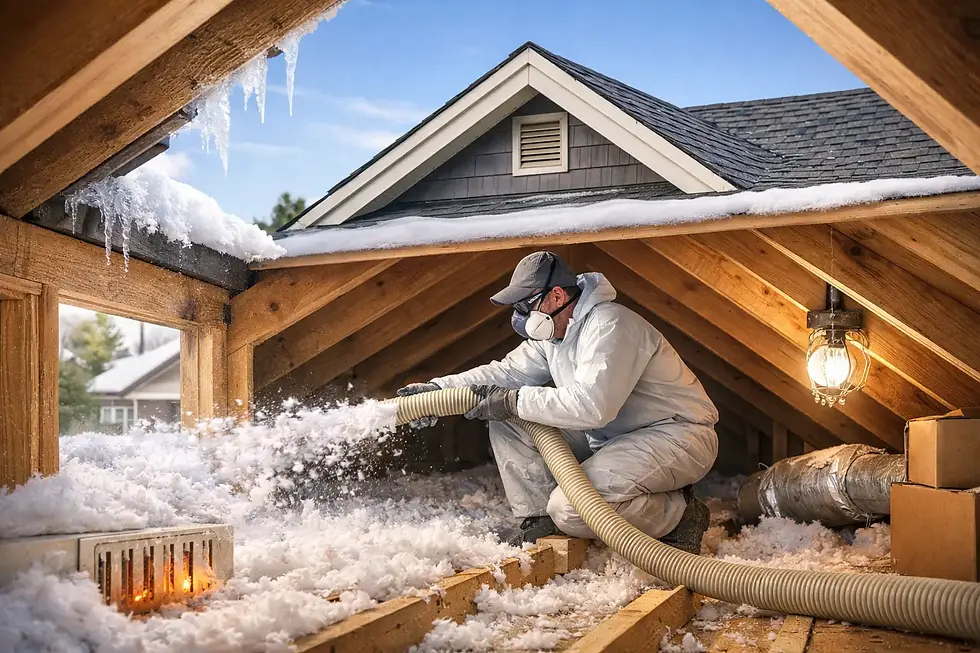
There is also the comfort side of the equation. A house that stays hot for a full day can be hard to cool back down, particularly if insulation is lacking or air distribution is weak. In many homes, AC trouble exposes bigger home comfort issues such as leaky ducts, poor attic insulation, dirty filters, or ventilation imbalances. Fixing the repair is step one. Preventing the next comfort emergency is step two.
Repair or replace?
That depends on the age of the equipment, the cost of the repair, and how reliable the system has been. If your AC is newer and the issue is isolated, repair is often the right move. If the unit is older, breaking down repeatedly, or struggling to keep up even before the failure, replacement may be the better long-term investment.
This is where a dependable home service expert brings real value. You want an honest recommendation, not pressure. Sometimes a targeted repair gets you back to normal quickly. Sometimes a new high-efficiency system delivers better comfort, lower operating costs, and more peace of mind during the hottest part of the year. Financing and rebates can also affect that decision.
How to lower the risk of another emergency
Most emergency no-cooling calls start long before the system actually stops. The warning signs are often there: higher utility bills, uneven temperatures, short cycling, weak airflow, or a system that runs constantly in moderate weather. Preventive maintenance catches a lot of those issues before they become urgent.
A professional tune-up helps identify worn electrical parts, low refrigerant, dirty coils, drainage issues, and airflow restrictions. It also gives you a clearer picture of how much life your system has left. For many homeowners, maintenance is not just about efficiency. It is about avoiding the call you never wanted to make on the hottest weekend of the year.
And if your house always seems hotter than it should, even when the AC is working, the problem may not be the condenser alone. Attic insulation, duct leakage, filtration, and whole-home airflow all affect comfort. Looking at the home as a system often solves problems that simple repairs cannot.
The bottom line on whether no air conditioning is an emergency
So, is no air conditioning a maintenance emergency? Sometimes yes, sometimes no, but it should always be taken seriously. If the home is becoming unsafe, if vulnerable people are present, or if the system shows signs of electrical or mechanical failure, do not wait. Fast action protects both your equipment and your household.
If you are not sure how urgent your situation is, treat rising indoor heat as your guide. Comfort problems can become safety problems quicker than most homeowners expect. When your AC stops doing its job, getting a trusted professional involved early is usually the smartest move - and often the most affordable one in the long run.


Comments