










Why Is My Heater Blowing Cold Air? 8 Causes
- Eddie Diocson

- 3 days ago
- 6 min read
A cold blast from a heater is more than uncomfortable when a Fullerton evening turns chilly. If you are asking, “why is my heater blowing cold air,” the answer may be as simple as a thermostat setting or as urgent as a furnace ignition or airflow problem. A few checks can help you narrow it down, but heating equipment involves electricity, gas, combustion, and high temperatures. When in doubt, protect your home and call a qualified heating technician.
Why Is My Heater Blowing Cold Air?
Your heating system must complete several steps before it can deliver warm air: it has to receive the call for heat, ignite or generate heat, move air safely through the system, and distribute that air through the ductwork. Cold air can show up when any one of those steps fails.
The pattern matters. Is the air cold from every vent or only one room? Did it start after a power outage, a filter change, or a thermostat adjustment? Does the system run continuously, cycle on and off, or make unfamiliar noises? Those details help separate a simple setting issue from a repair that should not wait.
1. The thermostat fan is set to ON
This is one of the most common and least expensive explanations. Most thermostats have a fan setting with two options: ON and AUTO. When the fan is set to ON, it runs all the time, including between heating cycles. That means it can circulate room-temperature air through the vents after the burners or heating elements shut off.
Set the fan to AUTO, then set the thermostat several degrees above the current room temperature. Give the system a few minutes to start its normal sequence. If warm air returns after the initial startup, the furnace itself may be working properly.
2. The thermostat is set incorrectly or needs attention
A thermostat set to COOL, a low temperature setting, dead batteries, or a programming error can create confusion quickly. Verify that it is set to HEAT and that the temperature is above the indoor reading. If the display is blank or behaving inconsistently, replace the batteries if your model uses them.
Smart and programmable thermostats can also follow schedules that homeowners forget were created. Temporarily override the schedule to test the heat. If the thermostat is calling for heat but the system still pushes cold air, the problem is likely inside the heating equipment or airflow system.
3. A dirty air filter is restricting airflow
A clogged filter does not just make your home dusty. It can restrict airflow enough to cause a furnace to overheat. As a safety response, the high-limit switch may shut off the burners while the blower continues running to cool the equipment. From the vent, that feels like cold air.
Check the filter and replace it if it is visibly dirty, gray, or packed with debris. Make sure the replacement is installed in the correct direction, following the airflow arrow on the filter frame. A filter that is too restrictive for your system can also cause problems, so homeowners should avoid selecting the highest filtration rating without confirming it is appropriate for their equipment.
If a new filter restores heat but the issue comes back, do not keep resetting the system. The furnace may have a dirty blower, blocked return air, duct restriction, or another airflow concern that needs professional service.
4. The furnace is overheating and shutting down
Furnaces are designed to shut down heat production if internal temperatures become unsafe. A dirty filter is one possible cause, but not the only one. Closed supply vents, blocked return grilles, a failing blower motor, damaged ductwork, or a dirty evaporator coil can all affect airflow.
You may notice a repeating pattern: the furnace starts, warm air appears briefly, then the air cools while the blower keeps running. The unit may cycle again a few minutes later. This is not a problem to ignore. Repeated overheating can strain components and turn a manageable repair into a larger one.
Keep furniture, rugs, and storage away from return grilles. Avoid closing most of the vents in unused rooms, since your system was designed for a certain amount of airflow. Beyond those basic steps, a technician should inspect the equipment and identify why the safety control is activating.
5. The pilot light, igniter, or burners are not working
Older gas furnaces may use a standing pilot light. If it goes out, the furnace cannot ignite the burners. Newer systems typically use an electronic igniter and flame sensor. A worn igniter, dirty flame sensor, failed control board, or gas supply issue can prevent the burners from staying on.
You may hear the furnace begin its startup sequence, followed by clicking, then the blower starts without warm air. Some systems attempt ignition several times before entering a safety lockout. Turning the thermostat off and back on repeatedly is not a reliable fix and can mask the issue.
Do not remove furnace panels, attempt to relight a modern furnace, or clean combustion components unless you are trained to do so. Gas heating repairs require the right testing tools and an understanding of safe combustion operation.
6. Your heat pump may be in defrost mode or have a problem
Many Southern California homes use heat pumps instead of traditional gas furnaces. A heat pump does not create heat by burning fuel. It transfers heat from outside air into your home, so the supply air can feel less hot than furnace air even when the system is operating normally.
During a defrost cycle, a heat pump may briefly blow cooler air while it clears frost from the outdoor unit. This should be temporary. If cold air continues, the system may have a refrigerant issue, a reversing valve problem, a malfunctioning outdoor unit, or an auxiliary heat failure.
Because heat pump problems can affect both heating and cooling performance, timely diagnosis is usually the best choice. Running a struggling system for days can raise energy use while leaving your home uncomfortable.
7. The ductwork is leaking, disconnected, or poorly insulated
If some rooms are warm while others receive cold air, the heater may be producing heat but failing to deliver it effectively. Leaky, crushed, disconnected, or uninsulated ducts can lose heat in an attic, garage, crawlspace, or wall cavity before it reaches the living area.
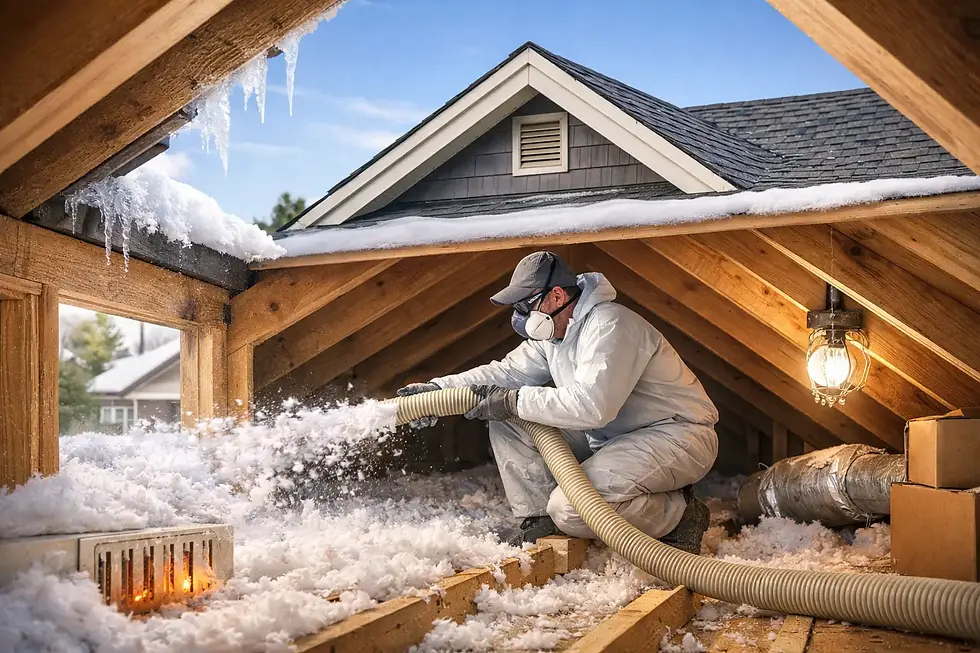
Weak airflow from certain vents can point to a duct issue, a closed damper, or an air distribution problem. In homes with uneven temperatures, the answer is not always a new heater. Duct improvements, attic insulation, and airflow adjustments can sometimes make a meaningful difference in comfort and operating cost.
8. The system has a power or control issue
A tripped breaker, furnace service switch turned off, loose wiring, failed capacitor, or control board issue can interrupt normal operation. If the blower runs but heating components do not, the cause may be electrical or mechanical.
Homeowners can check whether the furnace breaker has tripped and reset it once if necessary. If it trips again, leave it off and schedule service. A repeatedly tripping breaker is a warning sign, not an inconvenience to work around.
Safe Checks to Make Before Calling for Heating Repair
A quick homeowner check can save time, especially when the issue is a setting or filter. Keep the inspection limited to accessible, low-risk items:
Confirm the thermostat is on HEAT, set above room temperature, and has the fan set to AUTO.
Replace a dirty filter and make sure return grilles and supply vents are not blocked.
Check the electrical panel for a tripped breaker and reset it only once.
Look for an error code or flashing light through the furnace’s viewing window, but do not remove access panels.
After making those checks, let the system run through one heating cycle. A short burst of cooler air at startup can be normal. Continuous cold air, repeated cycling, or no heat after several minutes is a reason to call for service.
When Cold Air Is an Urgent Safety Concern
Turn the system off and seek immediate help if you smell gas, notice soot or smoke, hear a loud boom at startup, or experience headaches, dizziness, or nausea while the furnace runs. Leave the home if there is a suspected gas leak or carbon monoxide concern, then contact emergency services or your gas utility from a safe location.
Working carbon monoxide detectors are essential in homes with fuel-burning appliances. Test them regularly and replace batteries as needed. A detector alarm is never something to silence and investigate later.
Repair or Replacement: What Makes Sense?
A single failed igniter, flame sensor, thermostat, or capacitor often supports a straightforward repair. The decision gets more complicated when the system is older, breaks down repeatedly, has major heat exchanger concerns, or costs significantly to operate.
A professional evaluation should look beyond the immediate failed part. The condition of the ductwork, insulation, filtration, airflow, and equipment efficiency all affect whether a repair will deliver lasting comfort. Champion Aire Heating and Air Conditioning can help homeowners assess the immediate repair and the longer-term options, including maintenance and replacement planning when it makes financial sense.
Cold air from your vents does not always mean a major breakdown, but it does mean your home is asking for attention. Address the easy checks promptly, take safety warnings seriously, and schedule professional heating service before a small comfort issue becomes a no-heat emergency.


Comments