











Home Air Filtration Systems for Cleaner Air

A dusty coffee table two days after cleaning, frequent sneezing indoors, or a stale smell when the AC turns on can all point to an air quality issue. Home air filtration systems give Southern California homeowners a practical way to capture unwanted particles before they keep circulating through the house. The right solution can make a noticeable difference, but the wrong filter can restrict airflow and put unnecessary strain on heating and cooling equipment.
For a system that protects both your family’s comfort and your HVAC investment, filtration needs to be matched to your home, equipment, and concerns. There is no one filter that is best for every household.
What Home Air Filtration Systems Actually Do
Your return air filter has a simple but important job: it catches particles before air enters the indoor unit and moves through the ductwork. Basic filters mainly protect HVAC components from larger debris. Higher-efficiency options can capture smaller particles such as dust, pollen, pet dander, mold spores, and some smoke-related particles.
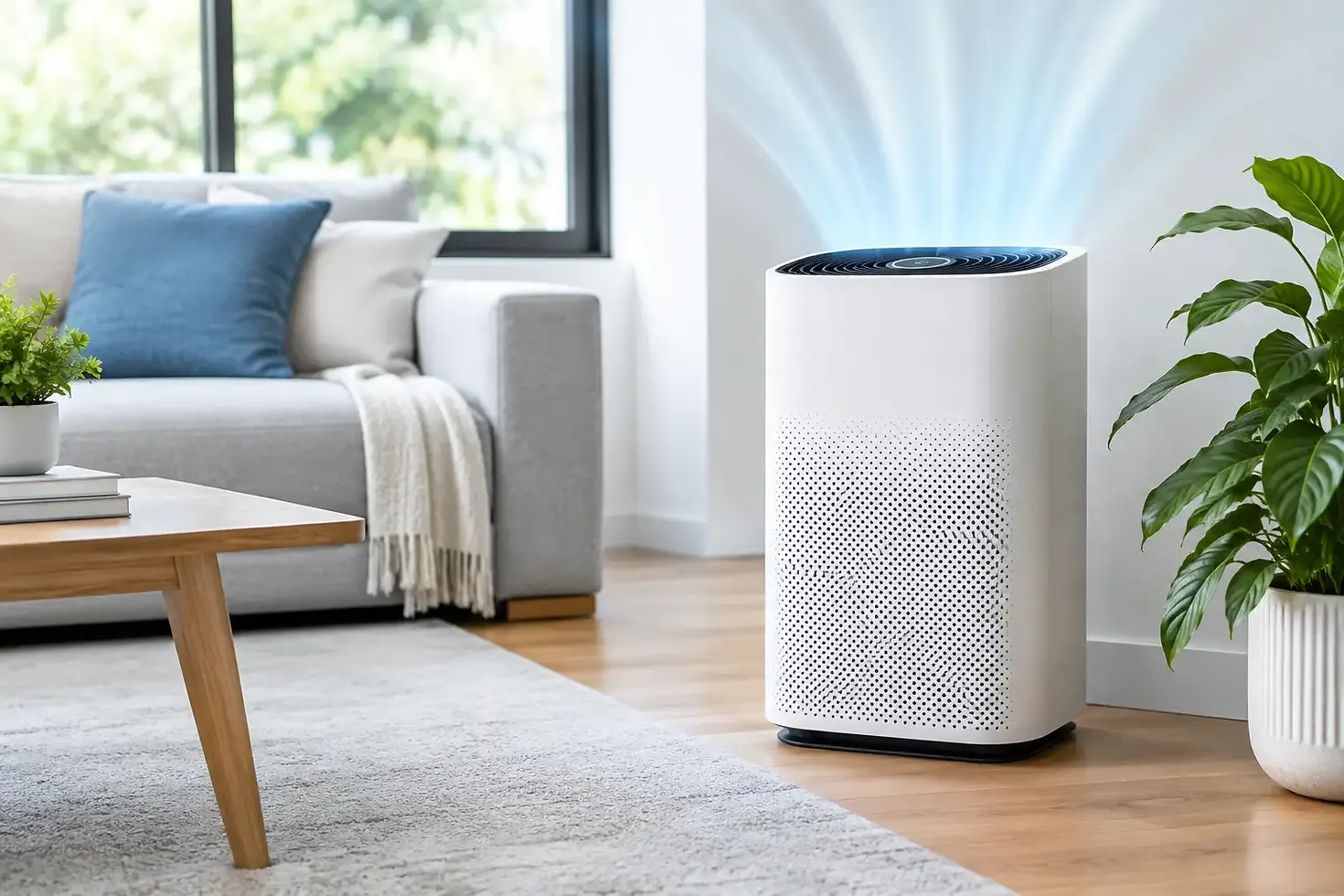
Whole-home filtration is different from a portable air cleaner. A portable unit treats the air in one room, provided it is properly sized and allowed to run long enough. A whole-home filter works with the heating and cooling system, treating air each time the blower runs. Many homes benefit from one or both approaches, especially when a family member has allergies or when outdoor air quality is poor.
Filtration is not a cure-all. It cannot fix a moisture problem that is causing mold growth, remove every odor, or compensate for dirty ducts, damaged ductwork, or an improperly sized HVAC system. It is one part of a healthier indoor air strategy.
Choosing the Right Filter Rating
Most homeowners will see the term MERV on replacement filters. MERV stands for Minimum Efficiency Reporting Value, a rating that indicates how effectively a filter captures particles of different sizes. A higher number generally means finer filtration, but it can also mean greater resistance to airflow.
For many homes, a pleated filter in the MERV 8 to MERV 11 range offers a sensible balance of filtration and airflow. It can help with common household dust, pollen, lint, and pet dander without creating major pressure issues in a properly maintained system.
A MERV 13 filter can capture finer particles and may be worth considering for homes near busy roads, households affected by wildfire smoke, or families with more serious allergy concerns. However, not every furnace or air handler is designed to handle that level of filtration. Installing a denser filter without checking the system can lead to weak airflow, hot or cold rooms, longer run times, and avoidable repairs.
This is why the filter rack matters as much as the filter itself. A restrictive one-inch filter may not be the best answer even when a higher rating sounds appealing. In some cases, upgrading to a properly sized media cabinet with a thicker filter provides stronger filtration with less airflow resistance. A qualified HVAC technician can measure static pressure and recommend an option that fits your equipment instead of guessing at the hardware store aisle.
Do HEPA Filters Work With Central HVAC?
HEPA filters are highly effective at capturing very small particles, but they are usually too restrictive for standard residential HVAC systems unless the system was specifically designed to use them. Forcing a HEPA filter into a conventional filter slot can reduce airflow enough to create comfort and equipment problems.
If HEPA-level filtration is a priority, a portable unit in key rooms may be the more practical choice. Another option is a professionally designed whole-home air cleaner that delivers improved particle capture while maintaining safe airflow through the HVAC system.
Signs Your Home May Need Better Filtration
Some indoor air concerns are easy to see, while others show up as recurring comfort complaints. Consider an evaluation if you notice any of the following:
Dust returns quickly after regular cleaning.
Allergy or asthma symptoms are worse at home.
Pets, cooking, or outdoor smoke leave lingering particles or odors.
The home is near traffic, construction, or seasonal wildfire smoke.
Airflow is weak, rooms are uneven, or filters become dirty unusually fast.
A dirty filter is not always proof that you need a stronger filter. It may indicate a duct leak, return air issue, poor housekeeping around the return grille, or construction debris in the system. A good inspection looks beyond the filter and identifies where particles are entering and how air is moving through the home.
Filtration, Air Scrubbers, and Duct Cleaning
Homeowners often hear these services discussed together, but they serve different purposes. Filtration catches particles moving through the HVAC system. Duct cleaning removes built-up debris from ductwork when there is a valid reason to clean it, such as heavy dust accumulation, renovation debris, pest contamination, or visible growth that needs professional attention.
Air scrubber solutions are designed to address airborne contaminants and, depending on the equipment, may also help with odors and surface pollutants. They can be useful additions for homes with specific indoor air quality concerns. Still, an air scrubber should not be used as a substitute for proper filtration, routine maintenance, moisture control, and source removal.
The most effective plan depends on what is happening in the house. A home with two shedding dogs may need a better media filter and more frequent replacement. A home with smoke intrusion may need a higher-efficiency filtration strategy and careful attention to gaps around doors, windows, and duct connections. A home with musty odors may need moisture diagnosis before any air treatment equipment is selected.
How Often Should You Replace a Filter?
A filter should be checked regularly, not changed only when it looks completely clogged. Many one-inch filters need attention every one to three months. Thicker media filters may last six months or longer, depending on the manufacturer, household activity, pets, occupancy, and how often the system runs.
During hot Fullerton summers, an AC system may run for long stretches, moving far more air through the filter than it does during mild weather. That can shorten filter life. Homes with pets, open windows, ongoing remodeling, or nearby construction may also need more frequent changes.
Use the filter size and airflow direction printed on the frame. Install it securely, make sure the access panel closes properly, and avoid doubling up filters in an attempt to improve air quality. Two filters can create excessive resistance and make performance worse.
Protect Comfort While Improving Air Quality
A filtration upgrade should never leave your system struggling to heat or cool the home. Before moving to a higher-rated filter or adding an accessory, it helps to have the HVAC system checked for blower performance, duct condition, return air capacity, and static pressure. These details determine whether the equipment can move enough air safely and efficiently.
Maintenance also matters. Even the best filter cannot solve problems caused by a dirty indoor coil, a clogged condensate drain, loose duct connections, or neglected equipment. Regular service keeps the system operating as intended and gives technicians a chance to spot air quality concerns before they become bigger comfort issues.
Champion Aire Heating and Air Conditioning can help homeowners evaluate filtration options as part of a complete home comfort plan, whether the need is a better filter setup, duct service, an air scrubber, or HVAC maintenance. A professional recommendation should account for your budget and the condition of the system you already own, not just promise the highest-rated product.
Cleaner indoor air starts with a clear look at what your family is breathing and how your HVAC system handles it. If dust, allergies, odors, or smoke are affecting life at home, schedule an estimate and get an answer built for your house, not a one-size-fits-all filter.


Comments